Caribbean Impact Alert: A Message for Those in Jamaica and Nearby Caribbean Islands
- Cheryl Nelson

- Oct 28, 2025
- 5 min read
Hurricane Melissa: What to Do Now in a Dire and Dangerous Situation
As of this writing, Hurricane Melissa is an extremely dangerous, slow-moving Category 5 storm — one of the strongest hurricanes to ever threaten Jamaica and parts of the Caribbean. This monster storm is unleashing torrential rain, catastrophic winds, deadly storm surge, and the potential for widespread mudslides in mountainous areas. Because Melissa is moving so slowly, rainfall totals could be devastating — leading to prolonged flooding and extensive structural damage.
If you’re in a low-lying or coastal area, get to higher ground immediately or move to a sturdy interior shelter on an upper floor. Once conditions deteriorate, it will be too dangerous to move. Power and communications are expected to fail in many areas — so now is the time to take life-saving precautions.

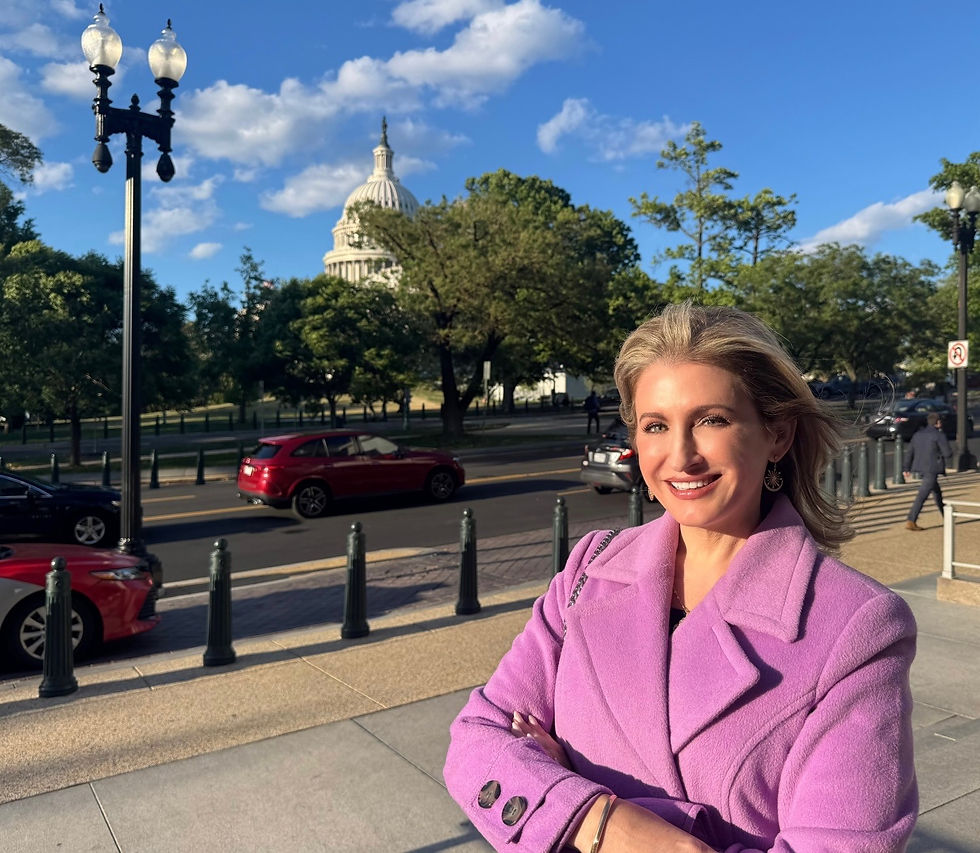
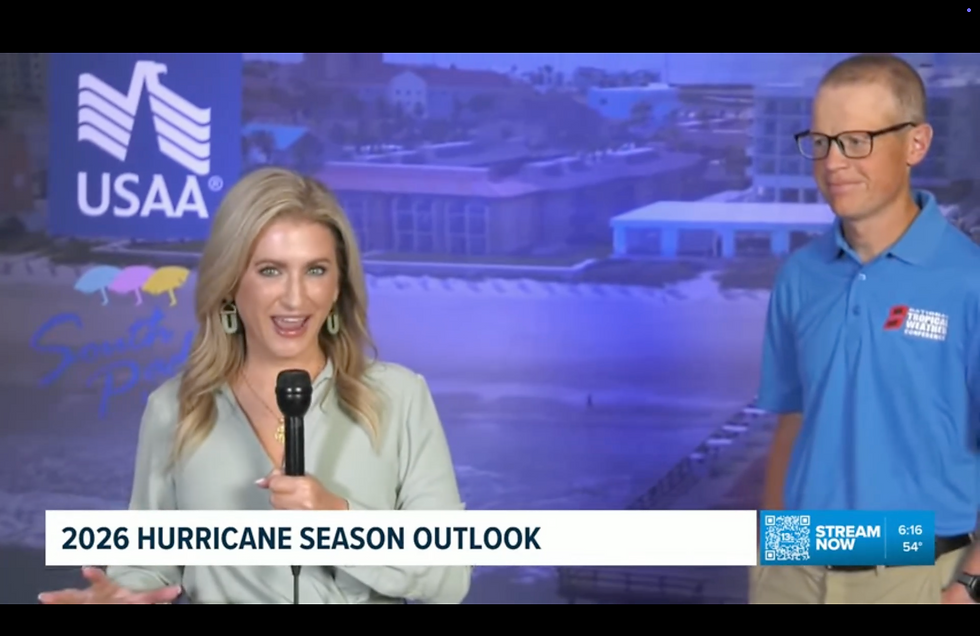
Hello, I’m Cheryl Nelson — A Meteorologist and Disaster Preparedness Advisor
As a FEMA-certified instructor and broadcast meteorologist, I know firsthand how rapidly conditions can escalate in a region like the Caribbean when a major tropical cyclone approaches. Right now, the islands of the Caribbean — including Jamaica — are already in the danger zone of a significant storm. Evacuations may no longer be feasible for many. This blog is for the people currently in the path — whether you’re a visitor or a resident — to act decisively for safety, security, and survival.
Why This Matters
A major hurricane is bearing down on Jamaica and nearby islands, bringing extreme rainfall, destructive winds, and life-threatening storm surge.
When a storm is imminent and you can’t evacuate, your best chance for safety is preparation, situational awareness, and protecting what you can.
My mission through Prepare with Cher is to empower communities so that no one is left “in the dark” when disaster strikes.

If You’re Visiting or Temporarily Staying in Jamaica or the Caribbean
1. Register with the U.S. Embassy (STEP Program)
If you’re a U.S. citizen, go now to step.state.gov to enroll in the Smart Traveler Enrollment Program (STEP). This lets the local U.S. Embassy know where you are and how to reach you with emergency alerts or evacuation updates after the storm. If you’re not a U.S. citizen, check your country’s embassy website — most have similar registration programs for travelers abroad.
2. Inform Loved Ones & Stay Informed
Let your family and friends know your exact location.
Tune into local radio and TV for continuous updates — storms can intensify and shift course quickly.
Follow official sources and emergency alerts through local government channels and the National Meteorological Service of Jamaica.
Use your phone only as needed; cell service and bandwidth may be limited once conditions worsen.
3. Secure Your Accommodation
If you’re in a hotel or rental, ask the manager or host where the designated storm-safe area is located.
Move valuables, passports, and documents into a waterproof bag and store them on a higher level away from potential flooding.
Clear balconies or patios of loose furniture or outdoor items that could become airborne in strong winds.
4. Stock Up on Essentials
You may be cut off for several days, so gather enough for at least 72 hours of self-sufficiency:
Water, non-perishable food, medications, first-aid supplies
Flashlight and spare batteries
Portable charger/power bank
Battery-powered or crank radio
Sturdy shoes and clothing for post-storm cleanup or flooding
5. Store Clean Water
Before the storm arrives, fill bathtubs, sinks, and large clean containers with water. This water can be used for flushing toilets and hygiene if the municipal system fails. Keep bottled or filtered water separately for drinking and cooking — about one gallon per person per day for at least three days.
6. Stay Away from Flood and Surge Zones
If you’re staying near the coast or in a low-lying area, move immediately to higher ground or the designated safe zone within your building.
Avoid windows and exterior walls — the safest place is an interior room on a higher floor, away from beachfront sides.
7. Prepare Mentally and Plan for What Comes After
Expect power outages, loss of internet, and possible food or fuel shortages. Focus now on safety and patience — once the storm passes, be cautious stepping outside due to debris, downed lines, and flooding.
If You’re a Resident of Jamaica or Another Caribbean Island in Hurricane Melissa's Path
A. Protect Your Home and Property
Clear your yard of loose debris, secure gutters, and move vehicles to higher ground.
Cover or board up windows and doors; stay away from them during peak winds.
Move pets to a safe location with you
Check that your generator works, has fuel, and will be used outdoors only to avoid carbon-monoxide poisoning.
B. Review Your Emergency Kit and Household Plan
Water: at least one gallon per person per day for at least 3–7 days.
The basics: Non-perishable food, first aid, baby and pet supplies, flashlights/batteries, medications, sanitary items, battery-powered/crank radio, clothing & sturdy shoes.
Important documents (insurance, IDs, property deeds) stored in waterproof containers or bags.
Take photos and/or video of your property and belongings before the storm if able
Have a family communication plan in case cell service fails — designate a safe meeting point.
C. Fill Water Containers and Bathtubs
Water service may be interrupted for days. Fill bathtubs and buckets now for cleaning and toilet use. Keep sealed drinking water stored separately.
D. Shelter-in-Place Safely
Stay indoors until authorities declare it safe. The calm “eye” of the hurricane can be deceptive — intense winds will return quickly.
Choose an interior room on a lower, safe floor (not the basement if flooding is possible).
Avoid candles if power goes out — use flashlights to reduce fire risk.
E. Look Out for Your Neighbors
Check in on elderly residents, people with disabilities, and families with small children.
Stay alert for hazards like downed power lines and landslides, especially in Jamaica’s hillside communities.
Rely on official local emergency management sources — not rumors on social media.
My Prepared-with-Cher Final Word
If you’re in Jamaica, the time for evacuation is over — the time for action is now. Stay put, stay informed, and stay high on high ground and inside.
If you’re a visitor, register with your embassy so you can be accounted for and assisted once it’s safe to move again. If you’re a resident, use every remaining minute to secure your home, fill your bathtubs and containers, and prepare to ride out the storm.
Above all, please help one another. After the wind calms and the skies clear, recovery begins with resilience and community — you and your neighbors will likely be your own first responders. Every act of preparedness you make today can save a life tomorrow.
Stay safe, stay calm, and stay Prepared with Cher.