Why it's Been So Hot & How to Stay Safe in Extreme Heat

If you’ve been outside lately in much of the U.S., you’ve probably felt it—that unbearable mix of intense heat and suffocating humidity that makes you instantly uncomfortable. Much of the country is sweating through a prolonged stretch of high temperatures and tropical-like air that won’t seem to let up.
As a meteorologist and preparedness expert, I want to help you understand why this weather pattern can be so dangerous—and share how you can protect yourself, your loved ones, and even your pets during these brutally hot days and warm nights.
Why Is It So Hot and Humid?
Summer heat is nothing new—but this year, it’s been more intense and more widespread. A combination of factors, including stagnant air, abundant moisture, and higher-than-average temperatures, is leading to long-lasting stretches of extreme heat and humidity across much of the country.
When humidity is high, it makes it much harder for your body to cool itself through sweat. This drives up the heat index—a measure of how hot it feels when you factor in moisture. It’s not uncommon to see heat indices well above 100°F, and that’s when heat-related illnesses become a real concern.
A quick climate reality check: According to Climate Central, climate change is significantly increasing the intensity, frequency, and duration of heatwaves in the U.S. In fact, summer temperatures have warmed in 98% of U.S. cities since 1970, and extreme heat days are now occurring more often and earlier in the season. What used to be considered “rare” heat is now becoming the new normal.

That’s why it’s so important not to dismiss this heat as typical summer weather—it’s part of a broader trend that affects not just our comfort, but our health and infrastructure too.
Heat: The #1 Weather-Related Killer in the U.S.
Many people are surprised to learn that extreme heat is the deadliest weather hazard in the United States. It claims more lives each year than hurricanes, tornadoes, or floods.
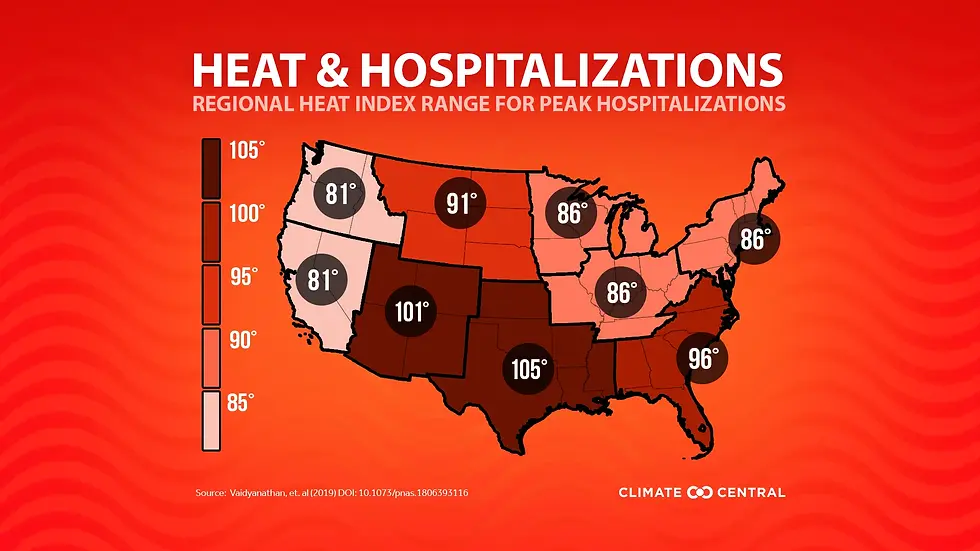
Heat often contributes to hospitalizations and even deaths indirectly—through heart failure, stroke, or complications with chronic health conditions—it’s not always recorded on death certificates, meaning the real number of heat-related deaths is likely even higher than reported.
The Hidden Danger of Warm Nights
It’s not just the daytime highs that are dangerous. When nighttime temperatures stay warm—sometimes in the upper 70s or even 80s—it prevents the body from cooling down and recovering from the day’s heat. This can be especially dangerous for those without air conditioning or anyone who’s been exposed to high heat for multiple days in a row.
Your body needs a break at night. When it doesn’t get that cooling period, the risks of heat exhaustion and heat stroke climb significantly.

Who’s Most at Risk?
Anyone can suffer from heat-related illness, but certain groups are especially vulnerable, including:
• Older adults, particularly 65 and up
• Infants and young children
• People with chronic health conditions (e.g., heart disease, diabetes, lung issues)
• Pregnant women
• Outdoor workers and athletes
• Those without access to reliable air conditioning
• Pets and animals left outdoors
If you or someone you care for falls into one of these categories, it’s especially important to take precautions during this extreme weather.

Tips to Stay Safe and Cool
Use these smart safety tips to beat the heat and protect your health:
Hydrate: Drink plenty of water regularly, even if you don’t feel thirsty. Avoid alcohol and caffeine, which can worsen dehydration.
Stay Indoors During Peak Heat: The hottest part of the day is typically 10 a.m. to 6 p.m. If possible, limit time outdoors and reschedule strenuous activities for early morning or evening.
Use Air Conditioning: If you don’t have A/C at home, go to a public library, mall, or community cooling center. Even a few hours of A/C can significantly reduce your body’s heat stress.
Dress Smart: Wear lightweight, light-colored, loose-fitting clothing and a wide-brimmed hat when outdoors. Sunscreen is a must.
Check on Others: Especially older neighbors, friends, or anyone living alone. A quick check-in can make a life-saving difference.
Never Leave Kids or Pets in Vehicles: Interior car temperatures can skyrocket to deadly levels in minutes—even with windows cracked.
Protect Pets: Keep them indoors during peak heat, ensure they have access to shade and fresh water, and avoid walking them on hot pavement.
Final Thought: Don’t Underestimate the Heat
With heat being the top weather-related killer in the U.S., it’s critical that we all take this seriously. It’s not always visible or obvious—but it can be deadly.
As always, I’m here to help you. Whether you’re commuting, traveling, or just trying to make it through this sweltering stretch at home, I want you to stay safe, stay smart, and look out for those around you.
Take care of yourself—and don’t be afraid to retreat to cooler spaces when needed. Your body (and your pets!) will thank you.
. . .